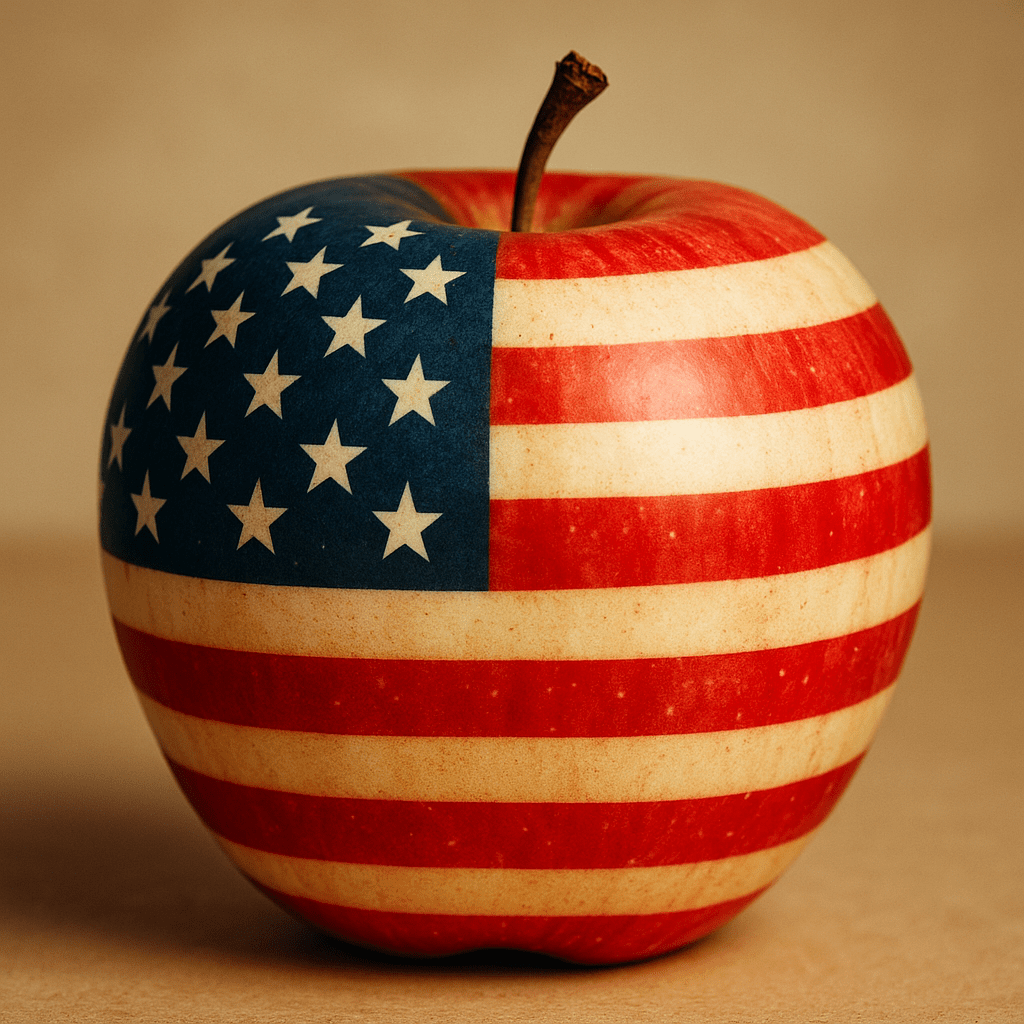
Apple’s 4% dip in stock value may have rattled Wall Street’s soy-latte-sipping investor class, but for Main Street conservatives, it signals something long overdue: a reality check for Big Tech’s globalist manufacturing model. For decades, Apple has prioritized efficiency over patriotism, exploiting low-cost labor in China while reaping the benefits of a free American market. Now that the Trump-era tariffs are finally forcing Apple to put some skin back in the domestic game, the company is whining about cost increases—after posting $95.4 billion in quarterly revenue.
Cry us a $1.65 earnings-per-share river.
Let’s be clear: tariffs aren’t punishments, they’re incentives—designed to reshape economic dependencies and return critical manufacturing to U.S. soil. Apple’s pivot to Vietnam and India is a weak half-measure. If it truly wanted to shield itself from tariff exposure and invest in national resilience, it would fully embrace reshoring.
Fortunately, the Trump administration’s trade policy is doing what Silicon Valley refused to: forcing corporate giants to stop enriching adversarial regimes. Tariffs may sting short-term profits, but they’re a small price to pay for the long-term gain of economic sovereignty. Cook’s PR parade about U.S. investment feels like a defensive scramble, not a proactive strategy. It’s damage control dressed up as patriotism.
As for analysts downgrading Apple stock? That’s Wall Street crying over a hiccup in their globalist gravy train. Long-term, Americans are better off when our most iconic companies align with national interests—not just shareholder ones.
Want real innovation? Try manufacturing in America, paying American wages, and competing on values—not just margins.
Bottom line: Tariffs aren’t the villain—dependency is.





Leave a comment